

GPU Acceleration for AI: Building Robust Platforms with AI Engineering
Michael Mueller6 min read
Discover how AI Engineering and platform principles solve GPU utilization challe…
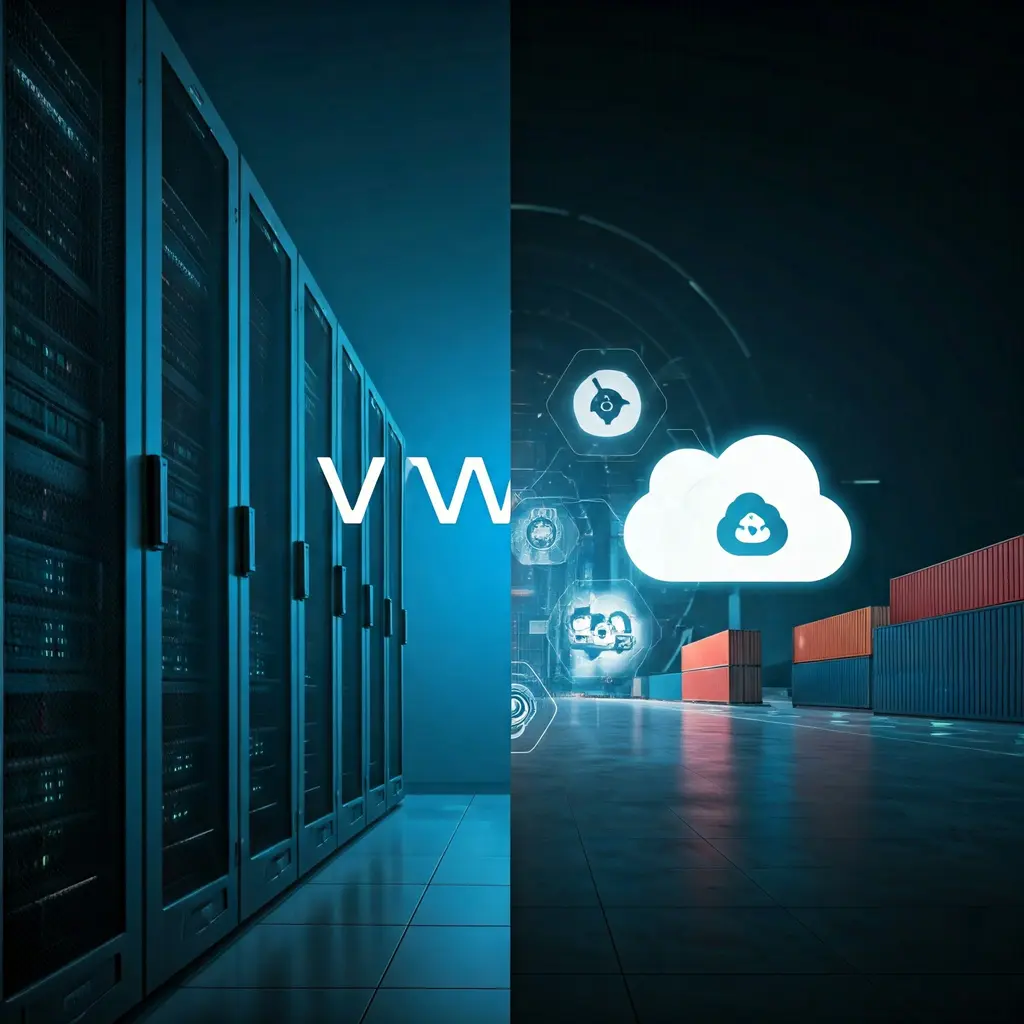
Broadcom's acquisition of VMware has sent shockwaves through the IT world. Suddenly, the familiar landscape of virtualization is in question. Licensing changes, price hikes, and an uncertain roadmap have transformed what was once a stable platform into a potential liability. For many, the question isn't if they'll migrate away from VMware, but when and how.
Gartner's analysis paints a stark picture: delaying this decision could lead to millions wasted on licenses and technical debt. But there's a silver lining. For those who act decisively, this disruption can be turned into an opportunity to modernize their infrastructure and build a more agile, future-proof foundation.
This blog post will dissect the technical and strategic implications of the VMware migration, providing a step-by-step guide to navigating this complex transition.
Why Migration Might Be Your Only Option
VMware's long reign in virtualization means most enterprises are deeply embedded in its ecosystem – not just vSphere, but also NSX (networking), vSAN (storage), and more.
Enter Broadcom, with its new strategy of 3-year subscription bundles and a laser focus on VMware Cloud Foundation (VCF). Gartner estimates migration timelines of 18-48 months, with costs ranging from $300 to $3,000 per VM. And those figures don't account for potential licensing renegotiations mid-project or other headaches.
Key Technical Challenges: Untangling the VMware Web
Turning Disruption into Opportunity: The Strategic View
Migration shouldn't be seen as a mere lift-and-shift. This is your chance to align with cloud-native trends, rethink your infrastructure, and optimize costs for the long haul.
1. Embrace the Kubernetes Revolution
The move away from VMware coincides with the rise of containers and Kubernetes. Platforms like Kubermatic Kubernetes Platform KKP simplify multi-cloud Kubernetes management. Giant Swarm provides a fully managed Kubernetes solution tailored for enterprise needs, ensuring reliability across on-premises and multi-cloud environments. Red Hat OpenShift Virtualization also bridges the gap and then there is KubeVirt.
KubeVirt allows you to run VMs within Kubernetes, bringing the power of Kubernetes, its API, to your existing VM workloads. This offers a powerful migration path, especially for applications not yet ready for full containerization.
Pro Tip: Use KubeVirt to run VMs alongside your containers with existing tooling for Kubernetes, ditches VMware's licensing headaches while accelerating your journey to a modern, cloud-native infrastructure.
2. Automate Your Inventory and Mapping: Know Your Environment
Before starting your transformation journey, you need a clear picture. Understanding your current VMware landscape is key. Professional migration services can provide crucial insights by mapping:
This data is the foundation of your migration playbook, helping you prioritize low-risk workloads and strategize for complex ones.
3. Cost Control: Taming the Spending Beast
Broadcom's pricing changes demand a new level of cost discipline. In hybrid environments, integrating FinOps principles directly into Kubernetes makes sense. Tracking costs per namespace or application makes it far easier to compare the TCO of VMware against alternatives, often managed solutions can also streamline FinOps, providing clear insights into cluster costs and ensuring workload optimization.
Technical Migration Pathways: Choose Your Weapon
Your ideal migration path depends on your workload characteristics and long-term goals. Here are three viable options:
Path 1: Lift-and-Shift to KVM with a pit stop in kubevirt.
virt-v2v: Converts VMware VMs to KVM-compatible formats.Path 2: Rebuild on Kubernetes: The Cloud-Native Dream
Path 3: Hybrid: The Bridge to the Future
kubevirt: To manage VMs.cilium: Securely connects VMware and Kubernetes networks.From Planning to Execution: Your Battle Plan
1. Start Now: The Clock is Ticking
Broadcom's licensing terms are not getting any friendlier. Automate your inventory and begin negotiations before you lose all leverage.
2. Pilot Before Scaling: Test the Waters
3. Negotiate Smartly: Don't Get Fleeced
4. Invest in Upskilling: Train Your Troops
Conclusion: Crisis or Catalyst?
The Broadcom era is a wake-up call. Staying put risks financial and technical stagnation. But with the right strategy, this challenge can be the catalyst for modernization, cost optimization, and embracing the cloud-native future.
Remember Gartner's warning: "The greatest risk is doing nothing." The time to act is now.
This post incorporates insights from Gartner, The Register, and re:cinq's experience migrating thousands of workloads to cloud-native platforms, along with expertise on KubeVirt and modern Kubernetes solutions.
Discover how AI Engineering and platform principles solve GPU utilization challe…
Join us at KubeCon for expert insights on AI and Kubernetes. Learn how to align…

A quick guide to set up Scaleway Kubernetes with Google OIDC using Terraform. Se…
Get a shared vocabulary of proven Transformation Patterns, common Anti-Patterns, and Paradigm Patterns to have more effective, data-driven conversations about your strategy and architecture.
For a personalized starting point, take our free online assessment. Your results will give you a detailed report on your current maturity and suggest the most relevant patterns to focus on first.
Every Tuesday, we deliver one short, powerful read on AI Native to help you lead better, adapt faster, and build smarter—based on decades of experience helping teams transform for real.