
Just 2% More? Could Climate Change Be That Easy?
Pini Reznik4 min read
Could a small consumer price increase drive the massive investment needed to tra…
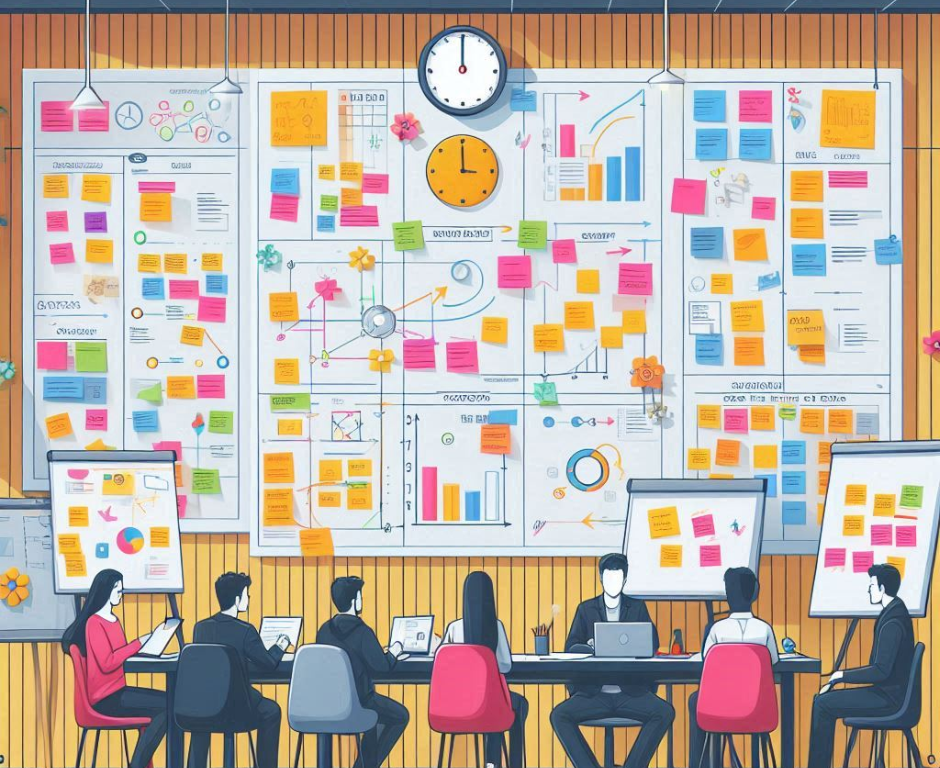
Did you know the IT industry is on track to become a leading contributor to global carbon emissions? Despite the vast computing power at our fingertips, a staggering amount of it is reserved, but goes unused, creating a digital landfill of wasted energy and resources. This article takes a deep dive into how the pursuit of speed and agility in software development has paradoxically led to this unsustainable situation. We'll trace the evolution of methodologies from Waterfall to Agile, revealing how our "growth at all costs" mindset has fostered a culture of over provisioning. But there's hope: we'll explore how embracing Lean principles can revolutionise software development, leading to a more sustainable and efficient future for the IT industry.
Several factors contribute to the inefficient use of IT resources:
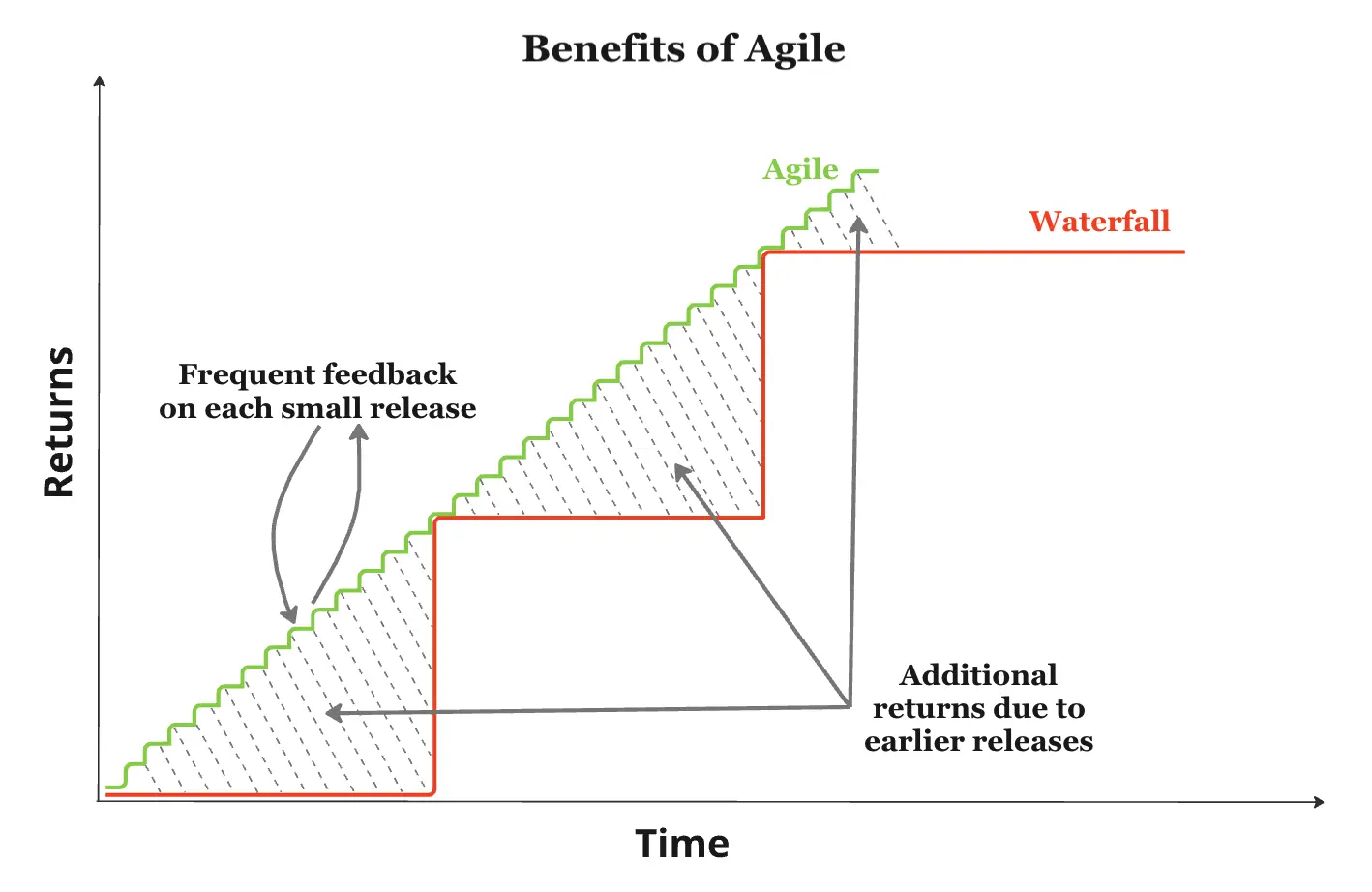
To understand the current situation, we need to trace the evolution of software development methodologies:
While Agile methodologies have undoubtedly revolutionised software development, they have also contributed to the current state of wastefulness. By prioritising speed and adaptability, Agile inadvertently incentivises over provisioning. The abundance of cloud resources and the ease of scaling have created a perception of limitless capacity, where small amounts of waste are often overlooked. The result is a situation where majority of data centre capacity goes unused, leading to a significant financial and environmental cost.
The question looms large: can we continue to onboard new developers and meet the burgeoning demand for IT services while mitigating the industry's environmental impact? Historically, the IT industry's growth cycles were driven by technological advancements and increasing demand. This trajectory is set to continue with the global digitalisation of industries, the rise of AI, and other emerging trends. However, a new imperative is emerging: the urgent need for decarbonisation to combat climate change. This creates a complex dilemma. IT demand is projected to double by 2030 and experience explosive growth by 2050. Yet, to mitigate the worst effects of climate change, carbon emissions must be halved by 2030 and reduced by 90% by 2050. But can it be different? What's next to allow us to onboard even more new developers and make sure we allow the explosive growth in demand for IT tools and services and at the same time avoid incredible waste of money, resources and enormous damage to the planet?
And what will be the driver of such a change? In the first cycles, the main driver was always explosive growth in the computers and IT industry and such growth will continue with global digitalisation of all the industries, popularisation of AI and lots of other growth trends. But at the same time there is a coming demand for decarbonisation to mitigate the Climate Change effects.
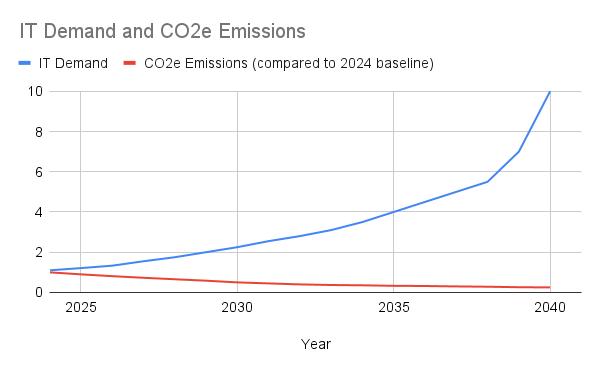
IT demand is expected to double by 2030, and explode by 2050. CO2e emissions halved by 2030, reduced 90% by 2050.
The IT industry stands at a crossroads. The pursuit of growth must now be reconciled with the imperative of sustainability. This requires a fundamental rethinking of our approaches to development, resource utilisation, and overall environmental impact. The challenge is daunting, but the stakes are too high to ignore.
To address the unsustainable trajectory of the IT industry, a paradigm shift towards Lean principles is essential. It's a return to the roots of Agile, which ironically emerged from Lean manufacturing practices like the Toyota Production System. However, Agile's focus on speed of change often overshadowed Lean's core tenets of waste reduction and continuous improvement. Now, it's time to re-emphasise those Lean principles in software development. By adopting a culture of continuous optimisation, we can reduce waste throughout the entire development lifecycle, from coding to infrastructure. The benefits of Lean extend far beyond sustainability. By eliminating waste, organisations can also:
Several methodologies and practices can help facilitate a more Lean approach to software development:
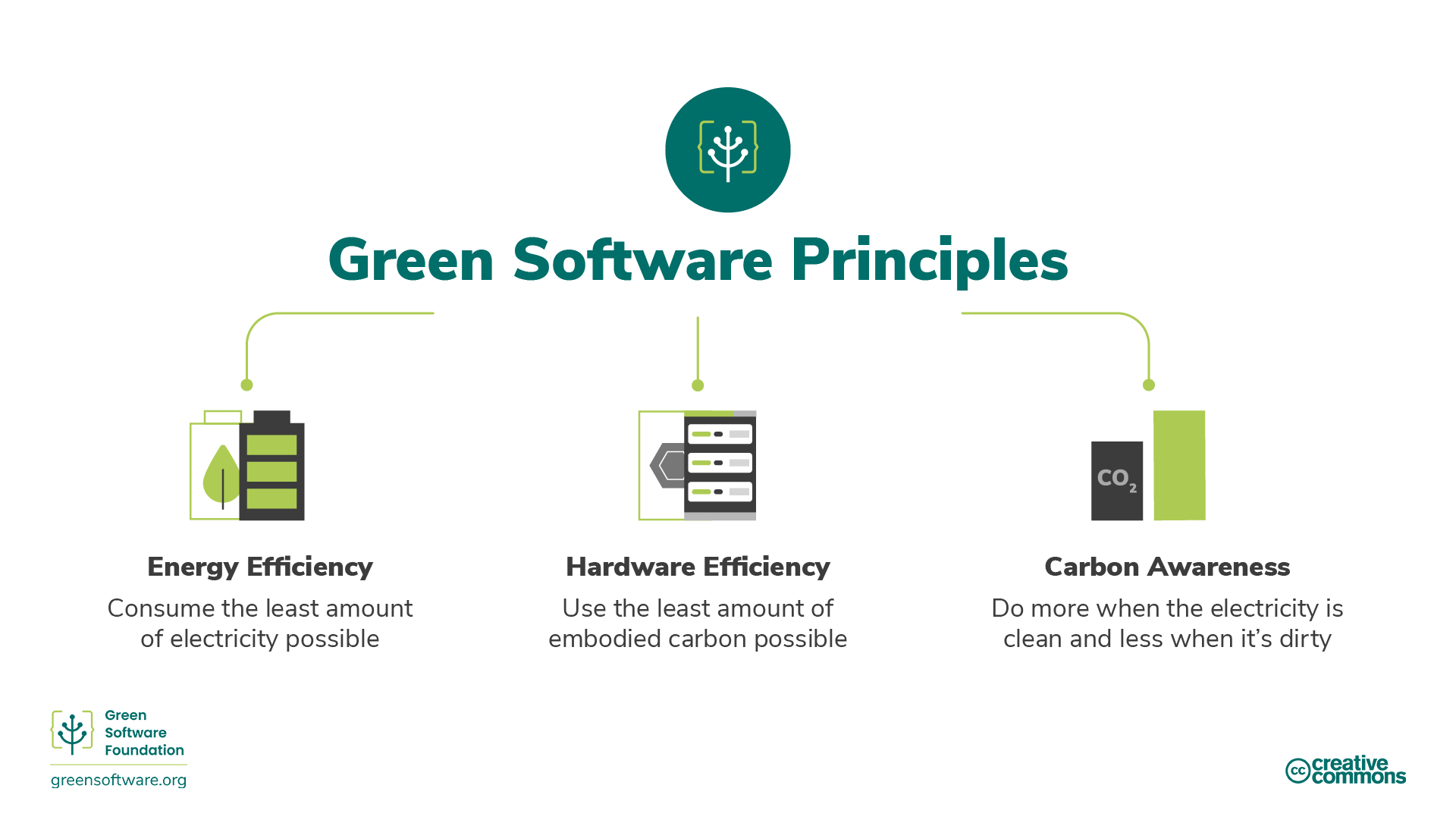
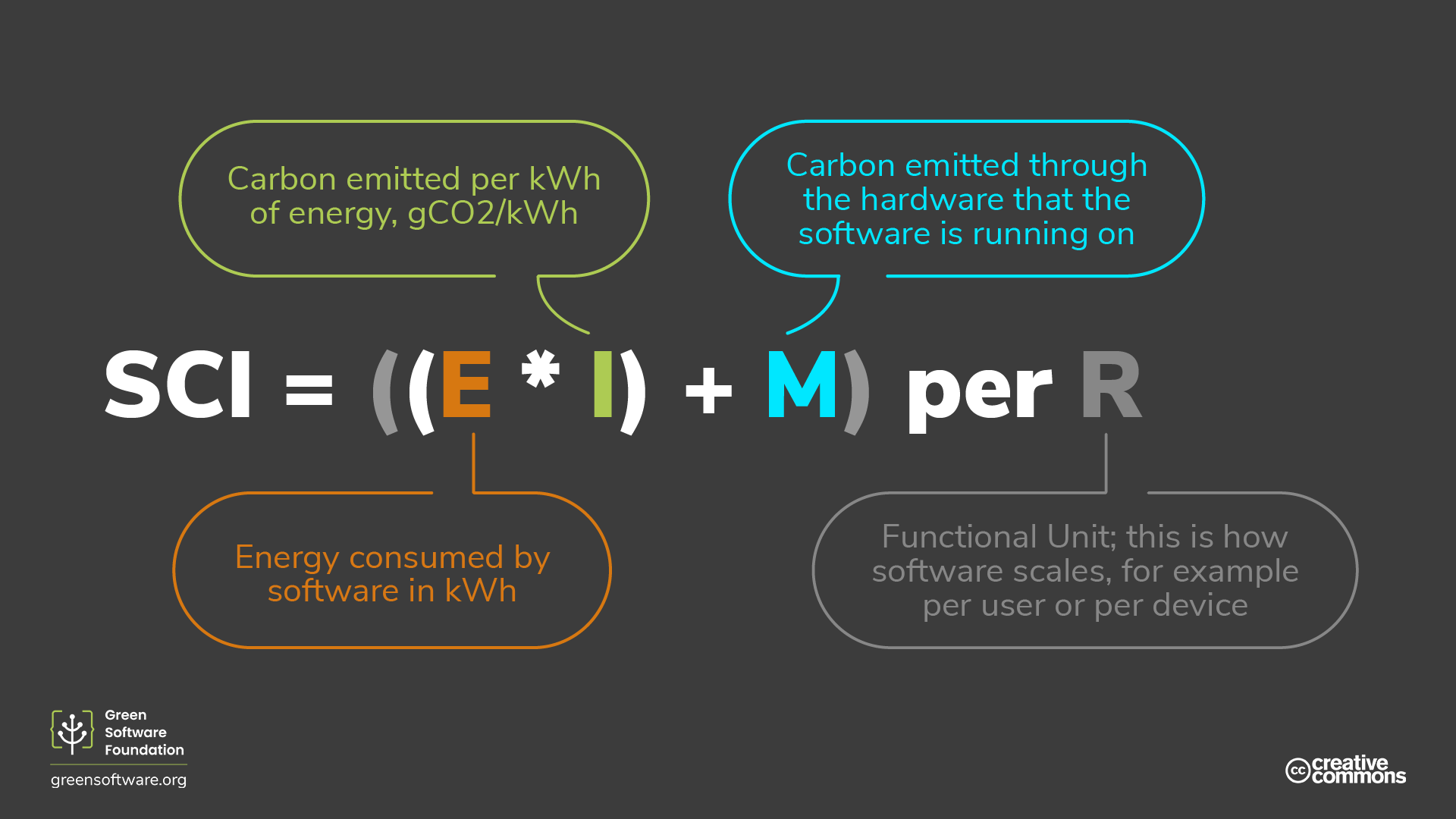
Jointly they are defined by a single metric - SCI (Software Carbon Intensity specification)
Furthermore, we should not overlook the importance of developer productivity. By incorporating DORA metrics, which assess deployment frequency, lead time for changes, time to restore service, and change failure rate, we gain valuable insights into our development processes. These metrics help us identify bottlenecks, streamline workflows, and ultimately enhance developer productivity.
By strategically combining SRE, FinOps, DORA metrics, and Green Software practices, development teams can create a holistic framework that balances performance, productivity, and sustainability throughout the software development lifecycle.
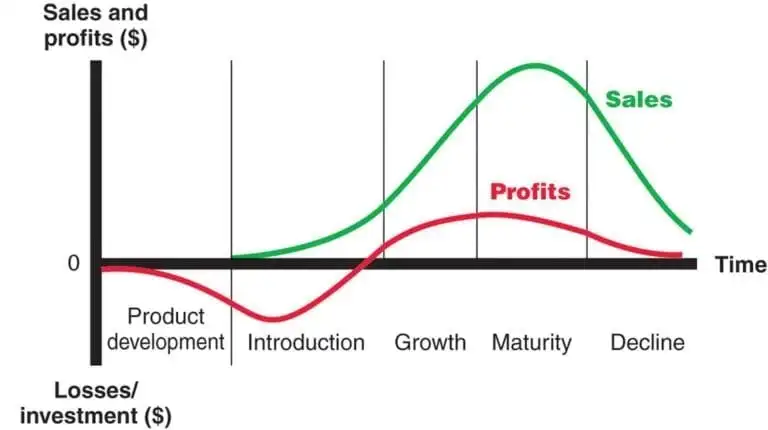
This integrated approach recognises that the optimal balance of priorities shifts as a product evolves:
It's important to note that Agile and Lean are not mutually exclusive. Rather, they are complementary approaches that can be applied strategically at different stages of the product life cycle. By understanding the strengths and weaknesses of each methodology and tailoring their application accordingly, organisations can create a development process that is both agile and sustainable.
We also must remember that any system that is no longer used should be decommissioned, and its resources reallocated or retired. Many organisations struggle with decommissioning due to friction with remaining users or the effort involved in proper retirement. However, leaving unused systems running perpetuates unnecessary maintenance burdens and environmental impacts. A common concern is how to maintain agility in large, mature projects. While agility is crucial in early stages, mature products often prioritise stability. Trying to maintain high agility in a mature product can be resource-intensive and introduce unnecessary risk. A solution is to decouple innovation from scale and maturity. New features and products can be developed separately, using agile methods, and then integrated into the main product once they are stable and proven. This allows for continued innovation while ensuring the stability of the core product.
The Agile movement has revolutionised software development, but its focus on speed and adaptability has inadvertently led to significant waste. To continue growing the IT industry sustainably, we must embrace Lean principles and prioritise waste reduction. This requires a cultural shift, where every line of code and every provisioned resource is scrutinised for its impact on cost, performance, and the environment. By incorporating Lean practices into our development processes, we can ensure that the IT industry continues to thrive while minimising its environmental footprint. We have the tools and methodologies at our disposal; now, we must commit to using them responsibly. The future of software development depends on it.
Embarking on the Path to Carbon Reduction: The first step in effectively reducing your organisation's carbon footprint is understanding your current emissions. Gain valuable insights into your IT system's real-time carbon emissions by joining re:cinq's early beta program. Visit https://re-cinq.com/ to learn more and take the first step towards a greener future.
Could a small consumer price increase drive the massive investment needed to tra…
Strategic approaches to IT accountability: Aligning cost optimization, resource…
Learn how using mature platforms for routine tasks can free development teams to…
Get a shared vocabulary of proven Transformation Patterns, common Anti-Patterns, and Paradigm Patterns to have more effective, data-driven conversations about your strategy and architecture.
For a personalized starting point, take our free online assessment. Your results will give you a detailed report on your current maturity and suggest the most relevant patterns to focus on first.
Every Tuesday, we deliver one short, powerful read on AI Native to help you lead better, adapt faster, and build smarter—based on decades of experience helping teams transform for real.